
Building An Effective Sales Funnel
If you run a business, or you’re thinking of launching your first product or service, knowing how to build an effective sales funnel can make a real difference in your results. A well-structured sales funnel can turn curious visitors into loyal customers. In this guide, I’ll walk you through the steps and tools that can help you design a sales funnel that actually works, no matter what you’re selling. Let’s get into the details.
What Is a Sales Funnel and Why Does It Matter?
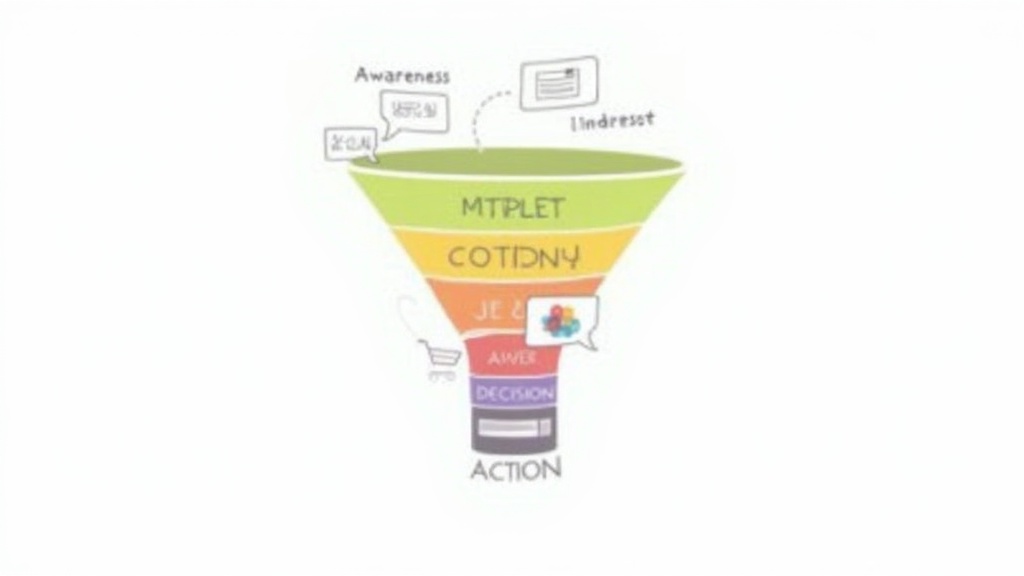
A sales funnel maps the adventure people take from stumbling upon your business to making a purchase (and hopefully coming back for more). It’s shaped like a funnel because you start with lots of potential leads at the top, but only a portion move through each stage to the bottom, where they actually buy.
People move through this process at their own pace. A sales funnel helps you plan the right messages, offers, and follow-ups so you can guide them from being just interested all the way to signing up or buying. This isn’t about being pushy. It’s about helping people make decisions, solving their problems, and building trust along the way.
Most businesses that take the time to build a strong sales funnel see improvements in their conversion rates, customer loyalty, and even revenue growth. Platforms like HubSpot and Salesforce have plenty of stats showing that businesses with clear funnels usually get better results, even with smaller marketing budgets.
First Steps: Sales Funnel Stages Explained
Every sales funnel is made up of a few basic stages, even if you change the details for your specific niche or audience. Here’s what most funnels cover:
- Awareness: This is when people first hear about you, whether it’s from social media, ads, blog posts, or word of mouth.
- Interest: They start paying attention to what you offer, maybe signing up for a newsletter or downloading a helpful resource.
- Decision: At this point, leads compare your offer to others or weigh the benefits, possibly checking out testimonials or demos.
- Action: The final step. They make a purchase, sign up, or take whatever action you’re aiming for.
Some businesses add extra steps for loyalty or advocacy, where happy customers turn into repeat buyers or spread the word about your business to friends. I’ve seen this simple breakdown help a lot of people map out smarter, more focused strategies.
Steps to Build an Effective Sales Funnel
If you’re just getting started, keep things straightforward. Here’s a step-by-step plan I’d recommend following:
- Define Your Audience: Know who you want to attract. Create a simple profile: their problems, needs, and what gets them motivated to buy.
- Create Value Packed Content: Blogs, videos, or guides that actually help your audience solve a problem or learn something new work best here. The goal is to grab attention and show you understand their needs.
- Build a Landing Page: Make a clean, focused page (not your homepage) where people can sign up or learn more. This is where they land after clicking an ad or a social post.
- Use Lead Magnets: Offer something useful (like a free ebook, checklist, trial, or webinar) in exchange for their email or contact info. This gives you a start on building a relationship.
- Set Up Email Sequences: Send a mix of helpful content, tips, and offers through a sequence. Don’t just pitch; mix in educational emails to build rapport.
- Make an Offer: Present your main product or service once you know they’re engaged. Include testimonials, guarantee info, or a special limited time bonus.
- Follow Up: Use retargeting ads or a win back email to catch anyone who didn’t buy the first time around.
Getting all these pieces working together doesn’t happen overnight, but working through each step in order helps keep things organized and easy to improve. Keep track of what works and don’t be afraid to switch up your approach if something isn’t clicking. Many successful businesses started with these very basics before growing their systems.
What to Watch Out For When Planning Your Funnel
Not all funnels work perfectly on the first attempt. Here are a few things you might run into, and how to handle them:
- Weak Offer: If your lead magnet or main offer isn’t compelling, people won’t move forward. Pay attention to questions or problems your audience cares about and tailor your offer to those.
- Confusing User Experience: Too many steps, too much info, or a clunky website can lose people fast. Review your funnel as if you’re the customer and cut anything unnecessary.
- Poor Follow Up: Relying on just one email pitch rarely works. Spread your messages out, mix up your formats (like video or Q&A emails), and keep testing.
- Ignoring Data: Tools like Google Analytics and your email platform’s reports can show where people drop off. Regular tweaks here can make a big impact.
Weak Offer Solutions
If people aren’t signing up or converting, check if your offer solves a specific, real problem. Sometimes, even small tweaks, like a shorter guide or a bonus resource, can help improve conversions.
Simplifying the User Experience
Even the best offer gets skipped if your site takes too long to load or asks for too many details at the start. Stick with short forms, quick pages, and clear instructions. Tools such as Unbounce and Leadpages are designed for this kind of job.
Better Follow Up Strategies
A friendly reminder or extra tip goes a long way. I like adding a quick, personal email a few days after someone first gets involved, just to say thanks or answer common questions. This touch helps you stand out from plain, automated sequences.
Advanced Tricks: Stepping Up Your Sales Funnel
Once your first funnel is up and running, you can explore a few extras to boost your results:
Segmentation: Divide your audience by interest (or what they clicked on) so you can serve up more relevant messages. Even a simple “Which best describes you?” question in your forms works wonders.
AB Testing: Try experiments with different headlines, button texts, or page layouts. Small adjustments can sometimes double your results.
Automation: Use marketing automation tools such as Mailchimp or ConvertKit to schedule your emails, tag your contacts, or trigger follow ups based on their actions (like clicking a link).
Personalization: Use people’s names, mention their location, or include their interest in emails or landing pages. Personalized touches help make your communication more effective and less generic.
These tricks are worth digging into once your basic funnel is humming along. They’re extra helpful as your list grows and your offers expand, especially if you want to keep things feeling personal.
Sales Funnel Tools Worth Checking Out
The right tools can make building and tracking your funnel way easier. Here are a few I use regularly or recommend often:
- Landing Page Builders: Unbounce, Leadpages, Instapage
- Email Marketing Platforms: Mailchimp, ConvertKit, ActiveCampaign
- Analytics: Google Analytics, Hotjar
- CRM Systems: HubSpot, Salesforce (great for managing leads and tracking your customer adventure)
Most of these tools offer free trials or demos, so you can try things out before making a commitment. For those with limited budgets, Mailchimp and Google Analytics provide robust free options to get started.
Real World Examples Where Funnels Shine
Funnels work for all kinds of businesses: digital products, services, online stores, and even brick and mortar shops. Here’s how sales funnels can make your business stand out:
- Coaching or Consulting: Free strategy calls or downloadable guides pull people in, then automated emails nurture new leads until they’re ready to buy a service package.
- eCommerce: Discount codes for first time buyers, special offers after purchase, and personalized product recommendations keep your store busy and customers engaged.
- Online Courses: Free mini classes or webinars build trust and give people a sample of your teaching style, with sales emails sealing the final offer.
I’ve noticed even simple upgrades, such as a one time offer after checkout or an improved email welcome series, can free up extra time and raise your sales with little extra effort.
Frequently Asked Sales Funnel Questions
Here are answers to some of the top questions I get about sales funnels:
Question: Do I need tech skills to set up a funnel?
Answer: Not really. Most funnel builders and email tools use drag and drop editors, so anyone can set up a good funnel without any coding experience.
Question: How long until I see results?
Answer: That depends on your offer and how well you know your audience, but even with a basic setup, you might spot leads or sales within a week or two.
Question: What if my first funnel doesn’t convert?
Answer: Don’t worry. It’s normal to make changes as you go. Adjust your messaging, shorten your emails, or add more social proof (like customer reviews) to your pages to make a difference.
Wrapping Up
A solid sales funnel can quietly and automatically turn strangers into happy, repeat customers. With some planning, the right tools, and a willingness to try new things, you’ll make the whole sales process smoother for everyone. Start simple, keep making improvements, and soon, you’ll have a sales system that almost runs itself.
Just remember, it’s all about building real connections and being helpful. That kind of approach pays off every time.
Comments
Building An Effective Sales Funnel — No Comments
HTML tags allowed in your comment: <a href="" title=""> <abbr title=""> <acronym title=""> <b> <blockquote cite=""> <cite> <code> <del datetime=""> <em> <i> <q cite=""> <s> <strike> <strong>