
Managing Negative Comments Professionally
Dealing with negative comments online is something every business owner, creator, or social media manager runs into eventually. Whether it’s feedback on your business page, criticism of an article you wrote, or a harsh review of a product, handling these comments in a professional way really makes a difference in how others see you and your brand. I’ve had to deal with my fair share of tough feedback, and I’ve picked up some strategies along the way that keep conversations respectful and productive.
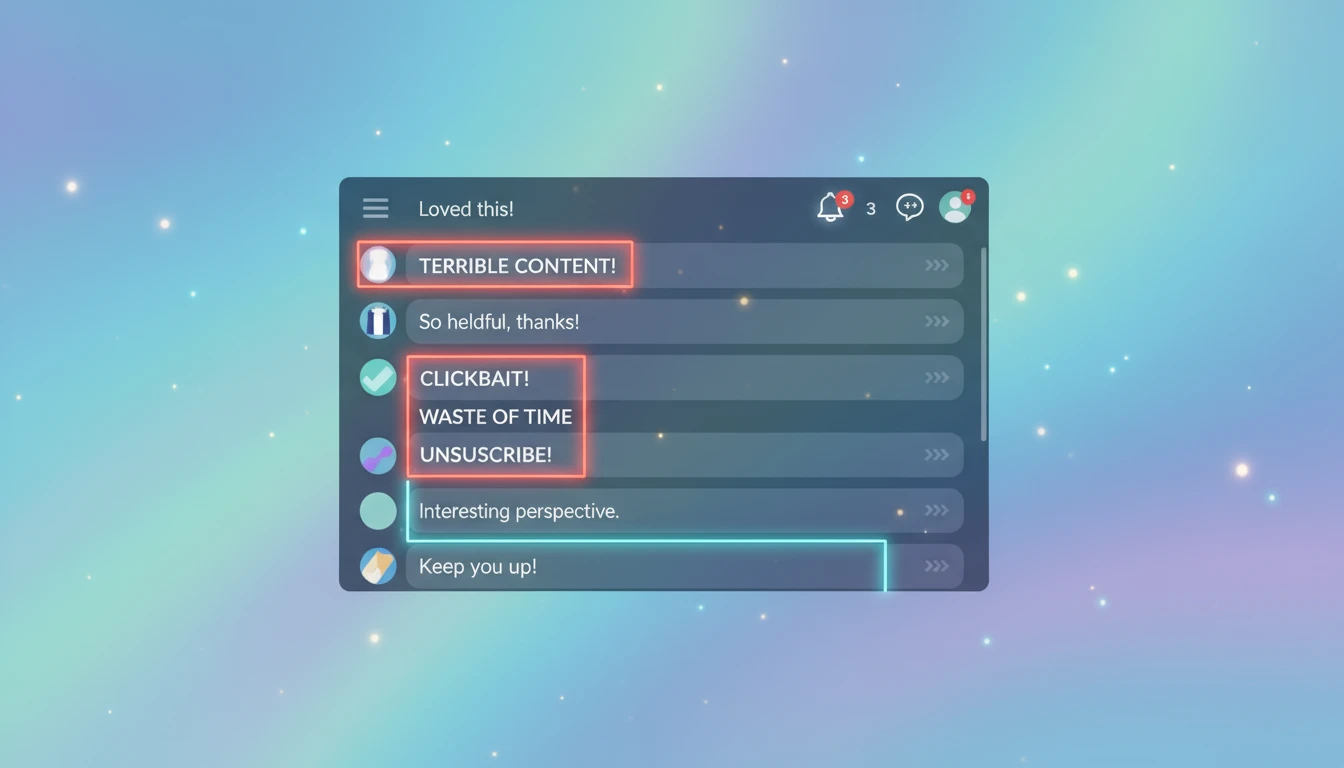
Why Managing Negative Comments Matters
The way you handle negativity online doesn’t just protect your reputation; it can even help build stronger relationships with customers and followers. People aren’t just looking at the original comment, they’re paying attention to your response. According to a study from BrightLocal, 89% of consumers read businesses’ responses to reviews (BrightLocal Survey). A thoughtful, calm reply often leaves a much better impression than ignoring the feedback or reacting emotionally.
Negative comments also give you direct insight into customer concerns and potential areas where you can improve. Sometimes, someone’s frustration points out a genuine problem you might otherwise miss. Addressing those issues, even publicly, shows you care and are always working to make things better.
What Counts as a Negative Comment?
Not all negative comments are the same. It helps to spot the difference between constructive criticism, angry rants, and trolling. Here are a few examples you might see:
- Constructive Criticism: Suggestions or polite feedback
- Product or Service Complaints: Pointing out where something didn’t meet expectations
- Rude or Aggressive Comments: Blunt criticism, sometimes with harsh language
- Trolling or Spam: Comments designed just to provoke a reaction or disrupt
Pinpointing the type of comment you’re dealing with helps guide your response. Addressing honest feedback is very different from handling trolls who just want to pick a fight.
Steps for Handling Negative Comments Effectively
I use a handful of key steps every time I spot a negative comment. These steps keep the conversation more productive and help protect my mental energy as well.
- Pause Before Responding: It’s tempting to fire back right away, but taking a deep breath and stepping back—even for a few minutes—lets you respond calmly, not impulsively.
- Evaluate the Comment: Decide if the comment is genuine feedback, a misunderstanding, or just written to provoke. If it’s abusive or spam, consider deleting or reporting it based on your platform’s policy.
- Public or Private Response: Some conversations are better handled in public (to show transparency), while others might be moved to a private message if personal details or lengthy explanations are needed.
- Empathize and Acknowledge: Showing understanding (“I’m sorry to hear you had trouble with…”) makes people feel heard and lowers tension.
- Stick to the Facts and Stay Professional: Share relevant details, clarify misunderstandings, and don’t let the conversation get personal.
- Offer Solutions or Next Steps: If the issue can be fixed, share exactly how you’ll address it or where the commenter can get more help.
- Know When to End the Conversation: Sometimes you’ve done all you can. If the comment thread isn’t moving toward a resolution, it’s okay to politely close off the discussion.
Common Challenges and How to Work Through Them
Handling negative comments comes with unique hurdles. These challenges pop up often, and I’ve tackled them in different ways.
- Emotional Reactions: It’s normal to feel defensive when someone criticizes your work. Before typing anything, I remind myself that the reply is more about helping other readers understand than converting the critic.
- Public Back-and-Forths: Long debates in comment sections can create unnecessary drama. If a comment thread starts to get heated, offering to switch to direct messages or email can cool things off.
- Spam and Trolls: Some comments only exist to provoke. Removing obvious spam or using built-in moderation tools keeps the focus on real conversations.
- Language Barriers: Misunderstandings sometimes start because of language differences. Using plain language and checking for clarity helps bridge gaps.
Dealing With Emotional Reactions
I usually stop and walk away for a few minutes when a comment gets under my skin. Coming back later, I’m more likely to focus on a solution instead of reacting out of frustration. It also helps to draft a reply first before posting it.
Handling Lengthy Debates
If a conversation drags on or starts to get repetitive, I’ll finish by thanking the person for their feedback and offering to continue privately. This step discourages others from piling on but keeps my accessibility clear.
Moderating for Spam and Abuse
Most platforms have strong tools to filter out spam or block repeated offenders. I keep these tools updated and check comment sections regularly, so spam doesn’t crowd out real discussions.
Practical Tips for Responding to Negative Comments
Having a set of stock phrases and a clear policy helps anyone who manages a public page or group. I tend to use variations of these when replying to different types of negativity:
- “Thanks for your feedback. I understand where you’re coming from and I’ll pass this along to our team.”
- “I’m sorry you had this experience; can you DM me with more details so I can look into it for you?”
- “I appreciate you letting us know. If there’s anything I can do to help, let me know.”
- For spam or off-topic comments: “This space is for productive discussion, so I’ll be removing unrelated posts from now on.”
Setting clear expectations about what’s acceptable in your community and enforcing them consistently goes a long way toward keeping things friendly.
Why a Moderation Policy Helps
Having a posted moderation policy actually takes the pressure off when you need to remove or hide a comment. It’s not about silencing criticism; it’s about keeping the community welcoming and safe for everyone. I like to include things like:
- No abusive language, hate speech, or personal attacks
- Keep criticism respectful and constructive
- No off-topic promotions or spam
Referring to these rules in a response helps keep things neutral and fair: “As per our community guidelines, we’ve removed this comment for violating our respectful discussion policy.”
Turning Negative Feedback Into a Positive Outcome
Some of the best customer loyalty stories begin with a negative comment that was handled well. I’ve seen unhappy customers write follow-up posts praising the way an issue was resolved. Addressing complaints with empathy and efficiency can actually help you stand out. It’s always great when someone changes their review from one star to four because of how you managed their concern.
Listening closely to feedback and using it to improve helps your brand’s reputation. When people see their suggestions in action, they’re more likely to feel valued. Don’t hesitate to ask your community for advice on how to make things better. Simple surveys or follow-up questions can show you really care.
Case Example: Transforming a Negative Review
I once managed a situation where a customer left a tough review because their order arrived broken. I replied publicly, apologized for the experience, and coordinated a replacement through private messages. The customer updated their review after the issue was fixed, mentioning how responsive we were. That single, thoughtful response turned a problem into a “win” for our reputation.
Over time, I’ve learned that even complaints about things outside of my control (like shipping delays or misunderstandings) are opportunities to show reliability. Prompt follow-up and practical solutions matter. Occasionally, turning around a rough situation has led that same customer to become a vocal supporter, recommending our products to others.
Relevant Skills for Professional Comment Management
Dealing with negative feedback sharpens several handy skills:
- Empathy: Picking up on where people are coming from, even when they’re not at their best.
- Written Communication: Turning a potentially heated moment into a calm, clear conversation.
- Patience: Realizing that it might take a few comments or an extra step to get to a good resolution.
- Problem-Solving: Figuring out how to fix misunderstandings or handle complaints with limited information.
- Attention to Detail: Noticing patterns in feedback can help spot recurring issues that need to be addressed at a bigger scale.
Practicing these skills helps in way more areas than just the comment section. They carry over to email, reviews, and even in-person customer service, giving you an edge in all types of interactions.
Frequently Asked Questions
These are pretty common questions about handling negative comments and my take on them:
Question: Should I delete every negative comment?
Answer: Not always. If the comment is simply critical or expresses frustration in a reasonable way, it’s often best to leave it up and reply. Only delete comments that are abusive, spammy, or violate established rules.
Question: How quickly should I reply to negative comments?
Answer: A quick response (within a few hours if possible) shows you’re attentive. Even if you need more info, letting someone know you’ve seen their message helps calm the situation.
Question: What if I made a mistake in my reply?
Answer: Owning up to mistakes actually builds trust. It’s fine to follow up with a correction or an apology if your initial reply wasn’t quite right.
Question: How can I keep up with a busy comment section?
Answer: Use moderation tools to flag recurring issues or keywords. Setting alerts for new comments and having templates ready can speed things up while making sure nothing slips through the cracks.
Troubleshooting: When Negative Comments Escalate
Sometimes, despite your best effort, a negative thread might spiral. Here’s what I usually do:
- Stick to the Facts: If someone misrepresents a situation, politely share details or evidence (without breaching privacy).
- Don’t Feed Trolls: If it’s clear the commenter isn’t interested in a solution, stop replying and let the conversation end.
- Bring in Backup: If you’re managing social media for a business, flag repeat incidents with your team or supervisor to work out next steps together.
- Review Your Policy: Regularly update your community guidelines and moderation strategies. What worked last year might need a tweak as your audience or platform evolves.
Building a supportive community sometimes means making tough calls about what kinds of conversations you want to keep visible on your page. Take time to reflect on situations that get out of hand—it helps you grow as both a mod and a communicator.
Key Takeaways for Professional Comment Management
Managing negative comments professionally comes down to respect, clarity, and consistency. The goal isn’t to wipe out all criticism, but to show that you take feedback seriously and treat others with care—even when it’s uncomfortable. Every thoughtful response is a small opportunity to strengthen your brand’s reputation and make your online space better for everyone who visits.
For anyone managing public pages, social media, or online reviews, making a habit of responding to negativity with professionalism pays back in loyalty and trust. Keep those guidelines handy, stay calm, and remember: your reply says as much about you as the original comment ever could. With a bit of preparation and empathy, you can transform criticism into a tool for connection and improvement—turning online challenges into chances to shine.
Comments
Managing Negative Comments Professionally — No Comments
HTML tags allowed in your comment: <a href="" title=""> <abbr title=""> <acronym title=""> <b> <blockquote cite=""> <cite> <code> <del datetime=""> <em> <i> <q cite=""> <s> <strike> <strong>