
Using Social Media To Drive Affiliate Traffic And Increase Commissions
If you want to bring in extra commissions from your affiliate campaigns, using social media is one of the best ways to make that happen. The sheer number of people hanging out on platforms like Instagram, TikTok, Facebook, and Pinterest means you can reach niche audiences and connect with people who genuinely care about what you’re sharing. The great thing is, you don’t need a huge ad budget to see results. Just a clear strategy and smart content will do the trick.
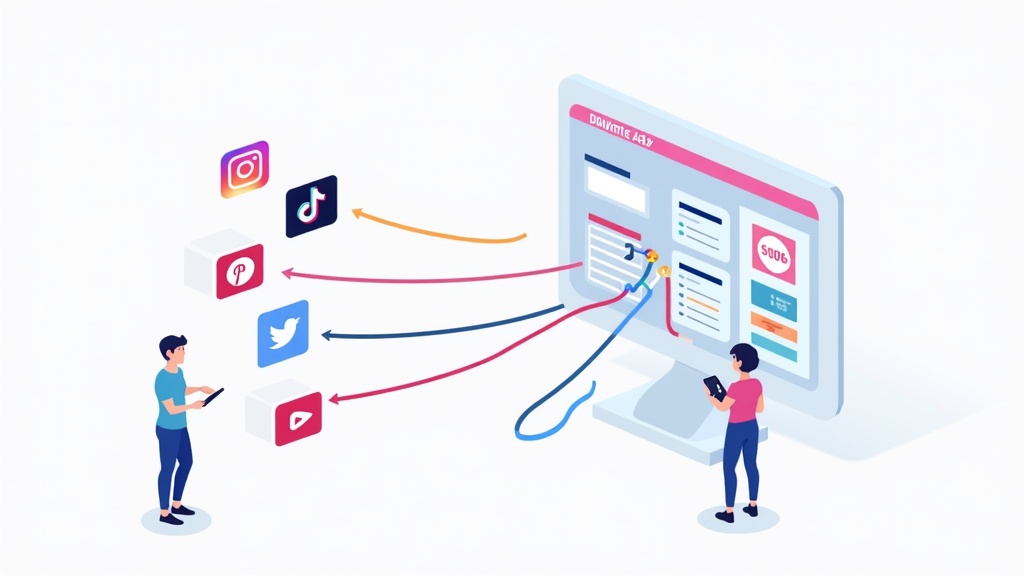
Why Social Media Shines for Affiliate Traffic
People browse social media on autopilot, but that doesn’t mean they’re not looking for inspiration, ideas, or deals. If your feed points people toward quality affiliate offers in an authentic way, you can build real trust and earn more commissions. Social media is especially handy for affiliates because:
- Supertargeted reach: You can zero in on hobbyists, problemsolvers, or fans of a specific product, sometimes down to their exact interests, thanks to advanced search and hashtags.
- Community building: Engaged followers trust your recommendations more than what they see in a random ad.
- Low startup costs: Most tools are free, and organic content (posts, short videos, stories) can get in front of thousands with some effort and creativity.
You don’t need a marketing degree or a big following to get started. I’ve seen everyday creators pull in decent side income with the right angle and consistent effort.
Getting Set Up: Prepping Your Social Media for Affiliate Links
Before dropping links everywhere, putting a bit of groundwork in place is a smart move. Here’s how I get prepped:
- Pick your main platforms: Focus on two or three social channels where your target audience actually hangs out. Instagram and YouTube work well for visual niches; Pinterest is strong for DIY or style tips; Twitter and Facebook can work for newsy or opinionbased offers.
- Optimize your profile: Add a professional headshot or relatable icon, write a clear bio with what you offer, and include a call to action in your link or description. Link in bio tools like Linktree or Beacons let you display multiple affiliate links in one spot.
- Sort out your content categories: Plan what topics, tips, and offers you’ll post about. For example: “Budget grooming tools” or “Top work from home tech.” You want to become known for something specific so people know what to expect from your feed.
If you’ve already built up a following in one niche, stick with it so that your promos feel natural and welcomed by your audience. Consistency is key here and makes your recommendations feel genuine, not forced.
Content That Drives Clicks (Without Seeming Pushy)
Nobody likes a wall of sales pitches. The key is mixing valuable, fun, and personal content with your affiliate recommendations. Here’s what’s worked for me and others in the affiliate space:
- Educational posts: Share howto guides, product comparisons, or quick video reviews that solve problems. People are more likely to click when they trust your firsthand advice.
- “Soft pitch” stories: Share a genuine backstory about using a product, like how a certain meal kit made dinner less stressful or how a camera helped you capture better family moments.
- Short video reels: Social platforms are loving videos right now! Quick unboxings, transformation clips, or “3 reasons I love XYZ” reels get a lot of traction and are easy to film with a phone.
- Giveaways and challenges: People love free stuff, especially if entering means tagging friends or sharing your post. Both of these approaches give a boost to your reach and your affiliate links.
Aim to be real and relatable. I usually blend affiliate messages into my normal content instead of forcing them in. Most platforms require you to disclose sponsored or affiliate content, so using #ad or #affiliate isn’t just smart. It keeps your audience trusting you and complies with advertising laws.
QuickStart Guide: Building Affiliate Traffic With Social Media
Getting results from social media doesn’t have to be complicated. Here’s my go-to quickstart routine for boosting affiliate traffic:
- Choose your top performing affiliate products: These are products you’ve tried, trust, or get the most questions about. Authenticity comes across in your promos.
- Make content in batches: I usually plan and shoot a week’s worth of stories or videos in a single afternoon. Use trending sounds or popular challenges where they fit.
- Add affiliate links where allowed: Some platforms (like TikTok and Instagram Stories) let you use direct links, but others want you to use a link in bio approach. Always check the rules.
- Reply and get involved: When someone asks about a product or thanks you for a tip, answer thoughtfully. The more genuine your replies, the more social proof builds around your recommendations.
- Check your analytics: Look at which posts or stories get the most link clicks. Double down on what’s working and tweak the rest for improvement.
Repeating this process gets easier each time, and you’ll see what kind of content your audience is hungry for. Consistent improvement is part of the game.
Common Obstacles When Promoting Affiliate Links on Social Media
Even active social sharers can hit snags with affiliate promotion. Here are a few hurdles I’ve wrestled with, plus how I handle them:
- Platform rules: Each site has its own approach to affiliate links. Instagram lets you drop links in Stories if you have a business account; Pinterest allows affiliate pins, but needs disclosure. Reading their rules before posting helps avoid sudden bans.
- Low engagement: Not every post blows up, and that’s totally normal. Sometimes it’s the timing, sometimes the format. Test new hashtags, post types, and images or videos to shake things up.
- Link fatigue: Too many salesy posts can turn people off or make them tune out. I try to space out my affiliate promos, mixing in lots of pure value content to keep things fresh.
Dealing With Platform Rules
It’s a good habit to check for updated guidelines every few months. Instagram and TikTok especially are always tweaking what links or promotions are allowed. I keep a list of which types of content get flagged, and which are always safe for my main niche just in case I need to reference it again.
Battling Low Engagement
Mix up your style. If static images underperform, do a short video or carousel instead. Asking questions or running polls in your captions encourages genuine conversation, which in turn boosts your posts in the algorithm. Connecting with your audience on a deeper level always helps long term.
Limiting Link Fatigue
Sharing personal stories, behind the scenes moments, or even fails keeps your feed real. People stick around for your personality and honesty, not just your links.
Advanced Tips & Smart Strategies
If you’re already seeing a trickle of traffic, these moves can help you ramp things up:
Lean into trends: If a product is popular or a challenge goes viral, find a way to tie your affiliate products into it. Popular sound or meme formats work especially well on TikTok and Instagram.
Team up with microinfluencers: Join forces with friends or creators in your space for giveaways or shoutout swaps. Sharing audiences is a shortcut for building trust and visibility, especially in small or tight knit niches. Teamwork can rapidly bring in new eyes.
Make the most of analytics tools: Most platforms have free analytics so you can see which posts drive clicks or get saves. Third party tools like Later, Buffer, or Hootsuite offer even more details on scheduling and best times to post. Use them to guide your next moves.
Mix evergreen and seasonal offers: I keep a few top performing affiliate products promoted year round, and mix in seasonal content (like holiday gift lists or summer howtos) for a traffic boost during certain times of year.
Stay transparent: Honesty keeps followers coming back. If a link earns me a commission, I say so directly in my stories or captions. Readers appreciate it, and it keeps everything above board.
Top Social Platforms for Affiliate Marketing
While you can see success anywhere, some platforms make affiliate traffic much smoother. Here’s my quick breakdown:
- Instagram: Great for lifestyle, beauty, fitness, fashion, and hobbies. IG Stories are perfect for swipe up or sticker links.
- YouTube: Longform reviews and tutorials build trust, and you can drop affiliate links right in the video descriptions.
- Pinterest: Pins are searchable for months or years, so they provide steady, recurring traffic for affiliate offers over the long haul.
- TikTok: If your target audience is Gen Z or Millennials, quick product demos or hacks can go viral and drive a ton of link clicks in a very short period.
- Facebook: Niche groups allow “soft selling” and genuine conversation around affiliate picks, and the built in Shop tab is handy for some products.
Frequently Asked Questions
Question: Can I use affiliate links directly in my social posts?
Answer: Depends on the platform! Instagram, TikTok, and Pinterest allow direct affiliate links in some areas (like Stories or bio), but always check the latest policies to stay compliant and in the clear.
Question: How often should I post affiliate promos?
Answer: There’s no magic number, but I aim for 70% value or lifestyle content and 30% affiliate promotion. This keeps my followers interested and trusting in the long run.
Question: What’s a “link in bio” and why use it?
Answer: A “link in bio” is a single link in your profile that leads to a hub (using tools like Linktree or Beacons) where all your affiliate offers live. Super useful if the platform doesn’t allow links everywhere, and it helps organize your recommendations in one spot.
Comments
Using Social Media To Drive Affiliate Traffic And Increase Commissions — No Comments
HTML tags allowed in your comment: <a href="" title=""> <abbr title=""> <acronym title=""> <b> <blockquote cite=""> <cite> <code> <del datetime=""> <em> <i> <q cite=""> <s> <strike> <strong>